
Access Gate Remotes & Keypad Programming in Miami-Dade County
Gate remote programmed and working before you leave the driveway. Same-visit replacement, no return trip, no shipped parts, no waiting.
What's Actually Stopping Your Remote From Opening the Gate
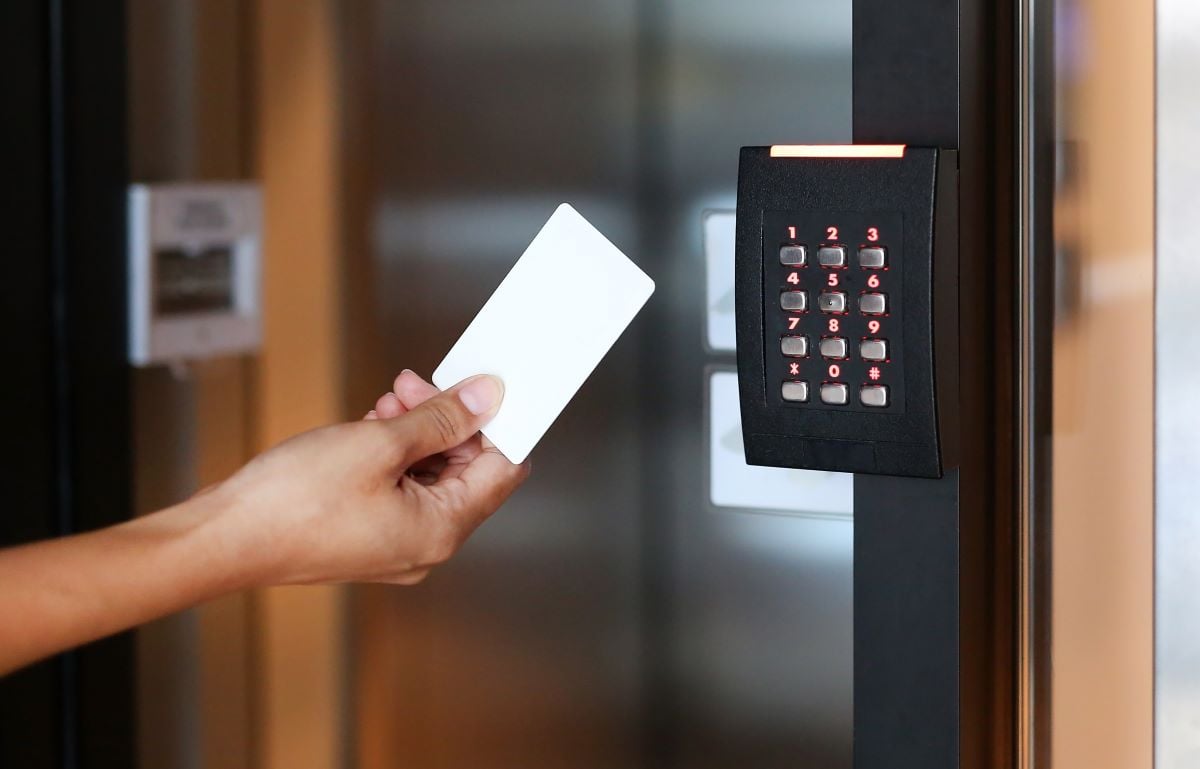
Most gate remote failures in Miami-Dade come down to signal, not the gate itself. You press the button and nothing happens. You press again, and the gate finally moves, or it doesn't move at all. The gate operator is fine, and the arm cycles smoothly when you use the keypad. The problem lives in the signal path between your radio transmitter (the handheld remote or clicker) and the receiver module (the component inside the operator that picks up that signal).
If you've confirmed the operator is cycling correctly, you may need gate opener and operator repair only when deeper mechanical issues are ruled out, but in most cases the signal path is where the fix lives. When that path breaks, the gate reads as broken. It isn't; the programming is. Access Experts 247 carries frequency-matched replacement transmitters for the most common operator brands across Miami-Dade, and we diagnose the signal issue on arrival and program the fix during the same visit.
South Florida's Rain Season and What It Does to Gate Remotes
Miami-Dade's afternoon rain season is the single biggest threat to gate remote hardware in South Florida. From June through October, rain falls hard and fast, almost every afternoon in western communities like Doral, Sweetwater, and Fontainebleau. That moisture works into remote housings through cracked button seals and coats the internal circuit board with a residue that disrupts button contact. The pattern of moisture intrusion and corrosion is consistent, see how South Florida's climate damages gate hardware.
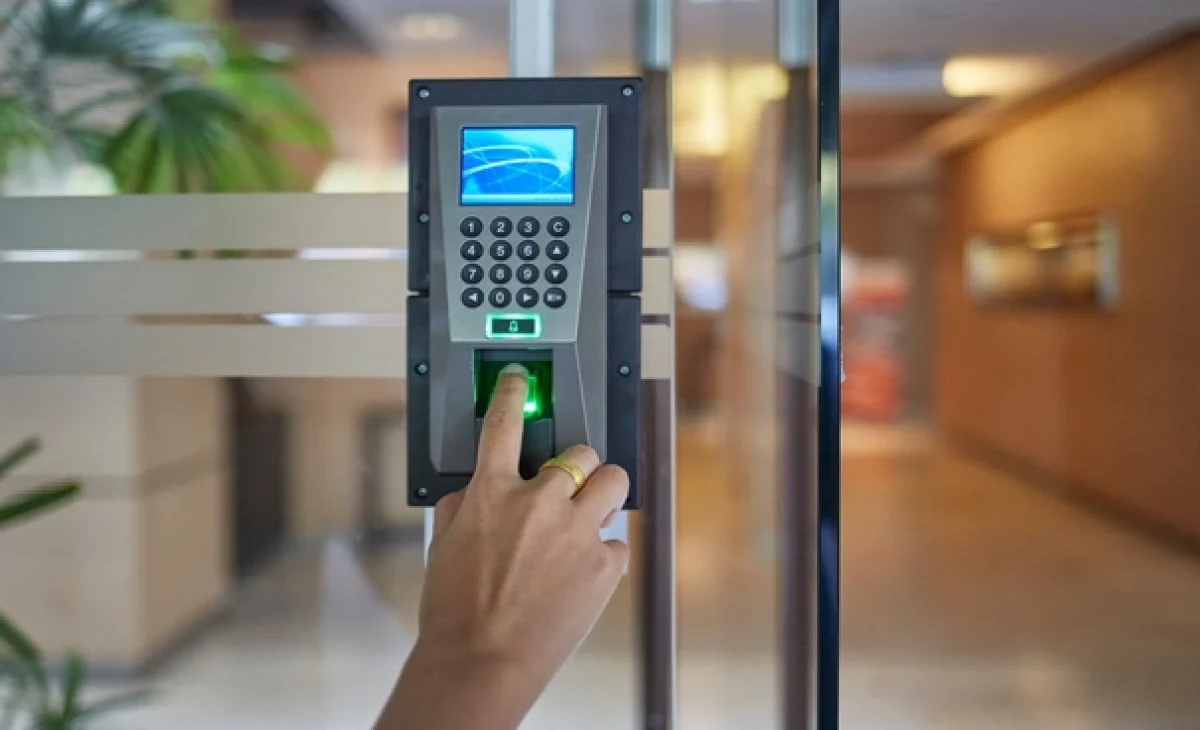
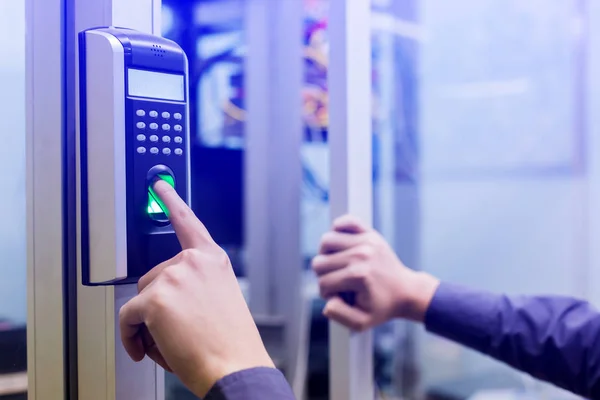
Here's what most homeowners don't realize about keypads: a brief power flicker during a storm can erase stored codes entirely on older units. The keypad looks fine and the buttons respond, but the programmed codes are gone because the unit lost power mid-cycle and the memory wiped. Tamiami and Kendall communities, where HOA gate systems have run for 15 or 20 years, see this most often. Older systems may also require code-compliant upgrades, managers can reference the Miami-Dade County Building Department for permit requirements before replacing legacy control hardware.
The frequency band (typically 315 MHz or 433 MHz in residential gate systems) also matters. A replacement remote purchased without matching the original frequency will never pair. Our trucks carry both bands.
Remote Issues vs. Keypad Issues: How We Identify Which One You Have
Symptom matching is the fastest way to a correct repair. They look the same from the driveway, but they're completely different repairs. Here's the comparison we run on every diagnostic visit.
Remote / Transmitter Symptoms
| Symptom | Likely Cause |
|---|---|
| Gate responds only from close range | Weak battery or corroded antenna contact |
| Remote works once, then stops | Rolling code desync, remote and receiver lost sync |
| New remote won't pair at all | Frequency band mismatch or failed receiver module |
| Remote works intermittently after rain | Moisture intrusion into housing, corroded button contacts |
| Gate opens but won't close with remote | Partial signal, receiver picking up open command only |
Keypad / Entry System Symptoms
| Symptom | Likely Cause |
|---|---|
| Codes stop working after power outage | Memory wipe from power interruption on older unit |
| One user code works, others don't | Individual code corruption, master reset needed |
| Buttons respond but gate doesn't move | Code stored correctly but not linked to operator output |
| Backlight on, no response to any code | Keypad locked, too many failed attempts triggered lockout |
| New codes won't save | Master code not entered first |
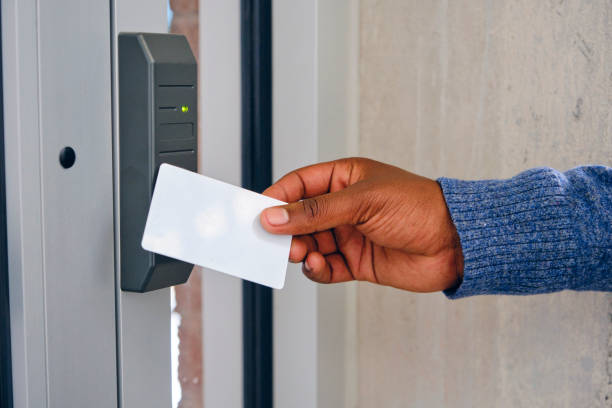
Rolling code technology, where the remote and receiver generate a new unique code after every press, causes the most confusion. A desynced remote often isn't broken; it needs to be re-paired to the receiver. DIP switch programming, an older method using small physical switches, is still common in HOA gates built in the late 1990s and early 2000s. We service both. For properties managing multiple credential types, intercom and telephone entry systems often need the same post-storm code verification.
Every Transmitter We Install Is Frequency-Matched and Test-Verified On-Site
We don't leave until the remote opens and closes the gate at full driveway distance. The technician identifies the operator brand and model, pulls a frequency-matched transmitter from truck stock, programs it to the existing receiver module, and tests it from the far end of the driveway, not standing next to the operator.
That last part matters. A remote can appear to work from three feet away but fail at 30 feet because the receiver's antenna is degraded or improperly positioned. Close-range testing misses that entirely. If the receiver module has failed, meaning no remote in range triggers the gate, we carry backup receiver modules for the most common brands and replace and reprogram during the same visit. When a confirmed failed receiver points to broader operator-level failure, that may fall under gate motor replacement rather than remote programming alone. No shipped parts. No return trips. The gate works before we leave.
How We Handle Remote Programming, Cloning, and Credential Resets
Every programming visit follows the same verified standards, no shortcuts, no guesswork.
Transmitter band verified before any programming.
Re-established with the operator's learn sequence.
Positions matched on legacy systems.
Confirmed before restoring individual user codes.
Entered and checked individually, never assumed.
Receiver signal checked at the end of the driveway.
Confirmed with two consecutive button presses.
Key-ring transmitters paired alongside existing remotes.
Three to eight remotes per visit on community gates. Every one tested.
Here's Exactly What Happens During a Remote and Keypad Service Visit
A gate remote service visit runs in a defined sequence, start to finish, the same every time.
Gate and Operator Confirmed First
The technician tests the gate operator manually on arrival, confirming the motor and arm are functional before touching the remote or keypad. Receiver module signal output is checked next, and the remote symptom is separated from the keypad symptom at this stage.
Programming and Replacement
Frequency-matched transmitters are pulled from truck stock, and programming follows the manufacturer's learn sequence. For keypad resets, the master code is re-established first, then individual user codes are entered and confirmed. DIP switch systems get a full switch-position audit before any remote is paired.
Distance Testing Before We Leave
Every remote is tested at full driveway distance, open and close, both directions. Keypad codes are entered twice each to confirm memory retention, and no codes conflict on multi-user systems. If a receiver was replaced, signal range is tested with every remote in service before the visit closes.
Gate Remote and Keypad Programming Across Miami-Dade, Broward, and Palm Beach
We run regular calls across Miami-Dade and also cover Broward and Palm Beach. Most Miami-Dade locations are reached within 45 minutes, and calls are taken 24/7, including same-day remote and keypad service. Properties looking to move beyond individual remotes into a managed credential system can ask about full access control system installation during any visit.
Get Your Gate Responding to One Button Press Again
One call gets a technician to your gate with the right transmitter already on the truck. Call us now, describe the symptom (remote, keypad, or both), and give us your zip code. We'll dispatch with frequency-matched transmitters and receiver modules for your operator brand. The gate will be working before we leave your driveway.
Call us nowBook Your Remote or Keypad Service
Describe the symptom, remote, keypad, or both, and give us your zip code, or call us. We dispatch with frequency-matched transmitters for your operator brand, and the gate works before we leave.
Request Service
Frequently Asked Questions
Can you program a replacement remote to my existing gate receiver without replacing the receiver?
Yes, in most cases a replacement transmitter pairs to your existing receiver module during the same visit. The technician matches the frequency band (315 MHz or 433 MHz) and follows the operator's learn sequence on-site. No receiver replacement is needed unless the module itself has failed. After 15+ years servicing South Florida gate systems, our trucks carry frequency-matched transmitters for the brands most commonly installed across Miami-Dade.
My keypad stopped working after a storm, how long will this repair take?
Most keypad resets complete in under an hour from technician arrival. A power flicker during a storm can wipe stored codes on older units entirely. The technician re-establishes the master code first, then re-enters and tests each user code individually. If the keypad hardware failed rather than just losing memory, a replacement unit is typically on the truck.
How much does remote and keypad programming service cost?
Cost depends on whether the fix is a re-pair, a replacement transmitter, or a receiver module swap, and on how many remotes or codes need programming. Call us for current pricing; a technician confirms the scope and cost before any work begins.
What's the difference between cloning a remote and programming a rolling code remote?
Cloning copies a fixed code from one remote to another, so both transmit the same signal every press. Rolling code technology generates a unique code after every button press, preventing signal replay by unauthorized users. Most gate systems installed in Miami-Dade in the last decade use rolling code, and cloning a rolling code remote won't work. We identify which system you have before selecting the programming method.
Why does my new remote from a hardware store refuse to pair with my gate?
Frequency mismatch is the most common reason. Store-bought remotes often broadcast on a different frequency band than your gate receiver requires. Brand compatibility is the second issue, since many receivers only accept transmitters from the same manufacturer's learn sequence. The wrong remote results in no pairing, no matter how many times you press the learn button. We carry frequency-matched transmitters verified for the gate brands common across South Florida.
What makes your remote programming service different from calling the gate manufacturer's support line?
We arrive with the replacement transmitter already on the truck, no shipping wait, no self-programming over a phone call. Manufacturer support lines walk homeowners through steps that assume the receiver is functional; if the receiver module has failed, that guidance goes nowhere. Our technicians test the full signal path on arrival: transmitter, receiver module, and antenna condition. The gate is working before we leave, not after a second visit or a part delivered three days later.