
The Right Access System, Matched to Your Property On-Site
Keypads, RFID, video entry, and cloud-managed systems installed across Miami-Dade County. We size the system on-site, never from a price list.
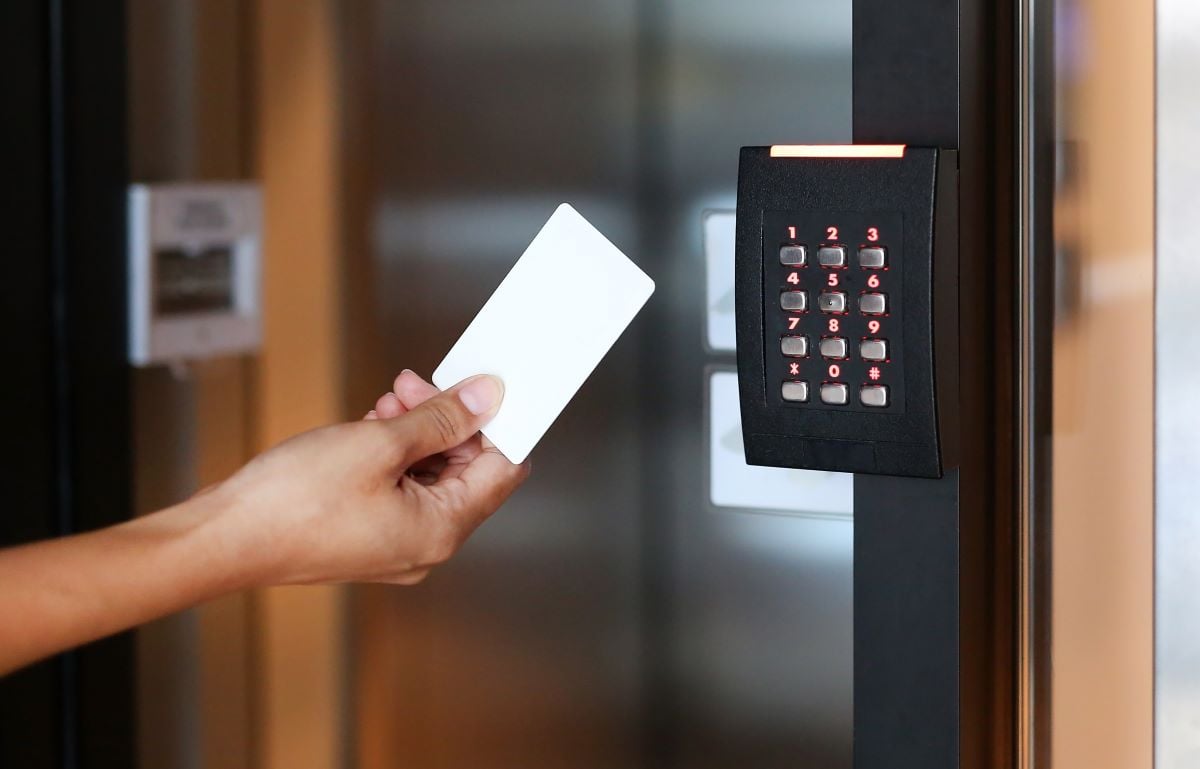
Which Access Control System Fits Your Property?
The right access control system depends on the property, not a price list. Systems in Miami-Dade range from a single keypad at a residential driveway to a cloud-managed, multi-credential platform serving a 300-unit HOA with three separate entry points. Matching the wrong system to a property wastes money and creates management headaches.
Access Experts 247 determines the right system during an on-site visit, entry point count, traffic volume, user types, and how credentials need to be issued and revoked, all assessed before any equipment is quoted. We've done this across Miami-Dade for more than 15 years; the answer almost never comes from a phone call alone. That assessment also informs automatic gate installation when new gate infrastructure is part of the scope.
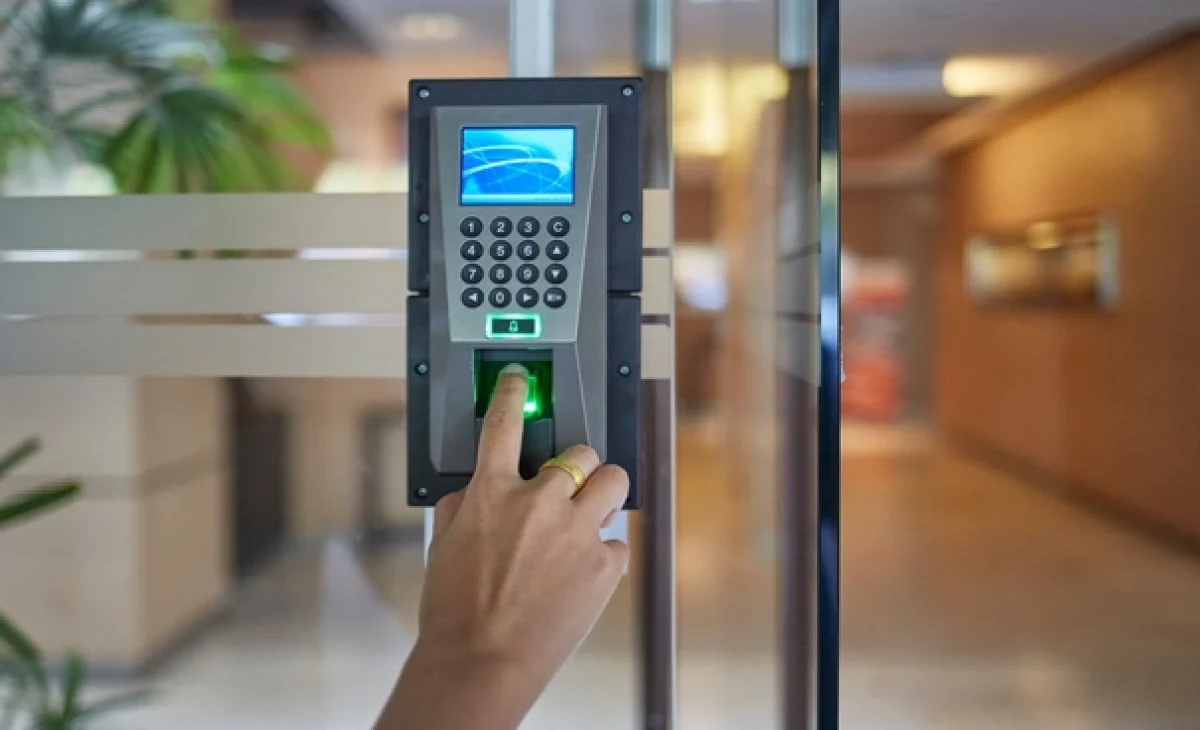

Installing Across Miami-Dade's Condos, HOAs, and Commercial Campuses
Miami-Dade's gated-community density makes access control one of the most in-demand services in the county. From our Sunny Isles Beach location, the team reaches Aventura, Bal Harbour, and North Miami Beach in under 20 minutes, corridors with some of the highest concentrations of gated condos and HOA-managed communities in South Florida. For these, understanding HOA gate permits and approvals is essential before any equipment is selected.
One thing many managers don't anticipate: outdoor enclosures for access hardware need UV- and corrosion-resistant specs. South Florida's coastal climate accelerates hardware degradation on readers and keypads, we specify outdoor-rated components on every job in this county, not just beachside ones. Scope may also trigger review through the Miami-Dade permits portal.
Four System Types: and the On-Site Factors That Determine the Right One
Each system type serves a different property profile. Here's the breakdown.
Standalone Keypad
A keypad at the gate; users enter a PIN to open. Simple, low-cost, effective for a single-family home or small property with a limited user base. Best fit: residential driveways, small commercial yards, 10 or fewer regular users. Limitation: a shared PIN means no individual tracking, when the code changes, everyone gets a new one.
Telephone Entry
A panel at the gate lets visitors call a resident's phone directly; the resident presses a key to open remotely. No PIN required for visitors. Best fit: HOAs, condo buildings, and homes with regular guest, delivery, or contractor traffic. South Florida note: coastal panels need weatherproof housings rated for continuous humidity, standard housings degrade within 12-18 months beachside.
RFID Multi-Credential
An RFID card, fob, or sticker stores an access code on a chip; a reader scans it and grants entry without typing. A multi-credential reader accepts PIN, RFID, and mobile app at once. Best fit: HOA service gates, commercial campuses, properties needing entry tracking. Installed per Florida UL 325 requirements. Key advantage: revoking a former tenant's access takes seconds, no new codes to distribute.
Cloud-Managed Platform
A property manager sets and changes permissions through a web dashboard or app, no on-site programming visit to add or remove users. Best fit: multi-unit residential, HOA boards, and commercial operators managing multiple entry points. Why it matters here: HOA boards managing 100+ units can't schedule a technician every time a resident moves out, cloud platforms eliminate that dependency.
What Makes Our Installations Hold Up in South Florida
South Florida's climate creates installation requirements that don't apply in most other markets. Every reader, keypad, or intercom panel we install in Miami-Dade is specified for the local environment, UV-rated housings, corrosion-resistant mounting hardware, and sealed conduit where wiring runs outdoors.
The Wiegand interface, a standard that lets card readers communicate with access control systems, is used in most commercial installations here, and we work with Wiegand-compatible equipment across all major platform brands. Owners often ask whether existing wiring can support an upgrade; sometimes it can, sometimes the conduit has hidden moisture damage. We check both before committing to a scope, and we don't quote equipment until we've seen the installation environment.
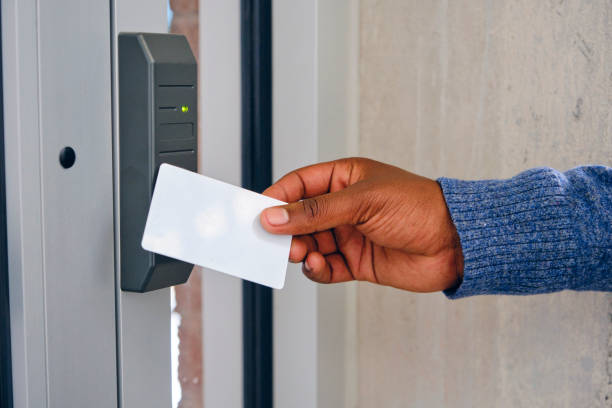
We Match the System to the Property Before Any Equipment Is Quoted
Our process starts with the property, not a product catalog. Here's what our standards cover on every installation.
From Site Walk to Tested System: The Installation Sequence
Every installation follows the same four-stage sequence.
On-Site Diagnostic
We walk the property, count entry points, assess traffic patterns and user types, and note existing wiring, gate operator compatibility, and outdoor enclosure needs. This visit determines the system recommendation.
Selection & Scope
Based on the assessment, we recommend the system type and component list, explaining what each item does and why it's specified. No equipment is ordered until the scope is agreed upon.
Installation
Hardware is mounted, wiring run in conduit, readers and panels connected to the gate operator or door system. For video intercom, camera placement is confirmed against sight-line requirements before mounting.
Post-Install Testing
Every credential type tested at every entry point, remote functions verified. For cloud systems, the admin dashboard is configured and the manager is walked through user management before we leave. The job closes complete.
Neighborhoods and Property Types We Cover Across Miami-Dade
Every zip code in the county, every property type. HOA communities along the Biscayne corridor, condo towers in Edgewater and Midtown, commercial campuses in Doral's business parks, and single-family properties throughout South Miami-Dade, we handle all of them. Miami Beach and the barrier islands get the same outdoor-rated component specs as any other coastal installation; the exposure level is identical, and the standards match it.
Let's Talk About Your Property's Entry Points
The right system starts with a conversation about your specific property. Call us, available around the clock, and tell us your property type and how many entry points you're working with. We size the system on-site, not over the phone, but sharing the basics gets the process started.
Call us nowWhy Property Managers Choose Us
System sized to the property, never a catalog.
UV and corrosion specs on every job.
Keypad, telephone, RFID, and cloud.
No shared-PIN placeholders on multi-unit.
Forward-compatible commercial hardware.
Every entry point and credential verified.
Schedule an On-Site Assessment
Describe your property type and entry point count, or call us. We size the system on-site, but sharing the basics gets the process started.
Request Assessment
Common Questions About Access Control Installation
How much does access control system installation cost for a Miami-Dade property?
Cost depends on three main factors: number of entry points, system type selected, and whether existing wiring can be reused. A single keypad at a residential driveway costs significantly less than a cloud-managed RFID platform for a multi-entry HOA. We don't quote equipment over the phone, the on-site assessment determines the actual scope before any pricing is presented.
How long does the installation take from first visit to working system?
Most single-entry residential installations complete in one day. Multi-entry HOA and commercial projects typically run two to three days depending on wiring conditions and the number of credential types configured. Stage 4 testing happens before we leave, no system is handed over until every entry point and credential type is verified working.
What separates your installation process from other access control companies?
Every project starts with an on-site assessment, not a phone quote or a catalog recommendation. System type, component specifications, and outdoor housing ratings are all determined by the actual property. That matching step prevents a mismatch between a system and its environment, the most common reason access hardware fails early in South Florida.
Can my current gate operator work with a new access control system?
Yes, in most cases. The majority of gate operators used across Miami-Dade include a dry-contact input that accepts a signal from an access control panel. We confirm compatibility during the site walk. If the existing operator lacks that input, we document your options before any equipment is ordered, no surprises mid-installation.
Do cloud-managed systems require ongoing subscription fees?
Most cloud-managed platforms involve a platform or licensing fee that varies by provider and the number of users or entry points. We confirm the exact structure for your selected platform during the assessment. Call us for current platform pricing details.
What happens if a credential stops working after the system is installed?
For RFID and cloud-managed platforms, a non-working credential is deactivated or reassigned through the admin dashboard, no technician visit required. For standalone keypads, a code change is needed. We walk every property manager or HOA administrator through the credential management process during Stage 4 before we close the job.