
Loading Dock Leveler Installation & Repair in Miami-Dade County
Hydraulic or mechanical dock leveler serviced within 45 minutes of your call. Hydraulic cylinders, lip assemblies, and deck hardware carried on every truck.
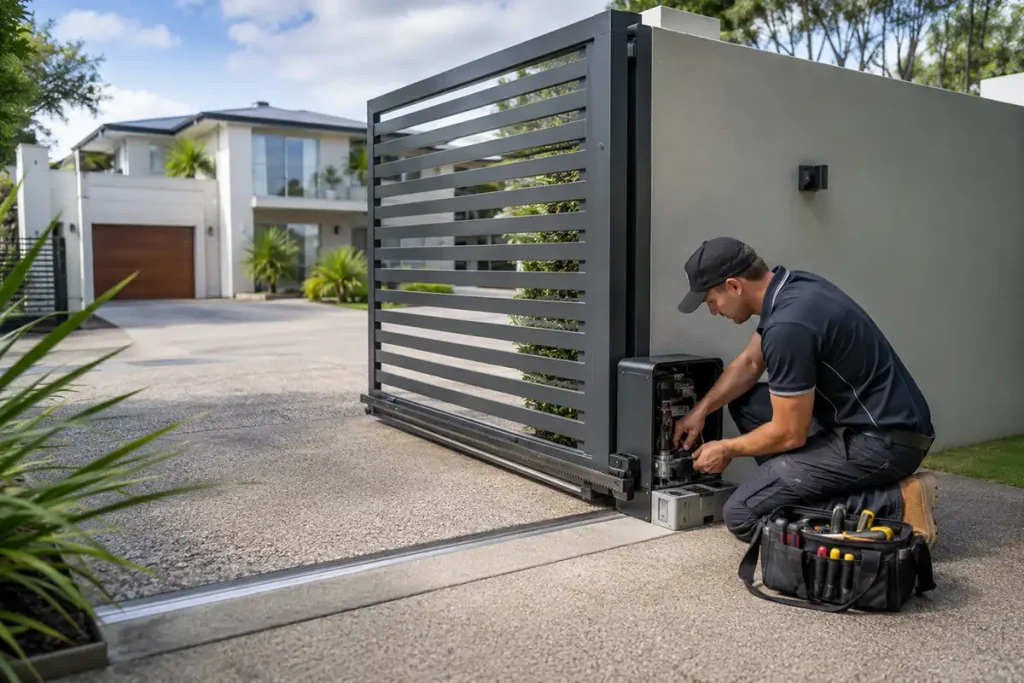
When a Dock Leveler Stops Extending Flush, Here's What That Tells a Technician
A dock leveler that won't extend flush is pointing directly at a failure in the lip assembly, cylinder, or spring mechanism. A dock leveler, the hinged steel platform built into a loading dock that bridges the height gap between the dock floor and a truck bed, has a short list of reasons it stops working. The deck doesn't extend. The lip drops short. The platform won't hold position. Each symptom maps to a specific component.
That's the point. When your bay goes idle, a technician who knows how to read those symptoms can walk up, diagnose the failure, and make a repair decision in one visit. No callbacks, no waiting on a parts assessment that takes a day. Access Experts 247 handles loading dock leveler installation and repair across Miami-Dade County: hydraulic, mechanical, and air-powered systems, for commercial warehouses, distribution centers, manufacturing facilities, and retail receiving docks.
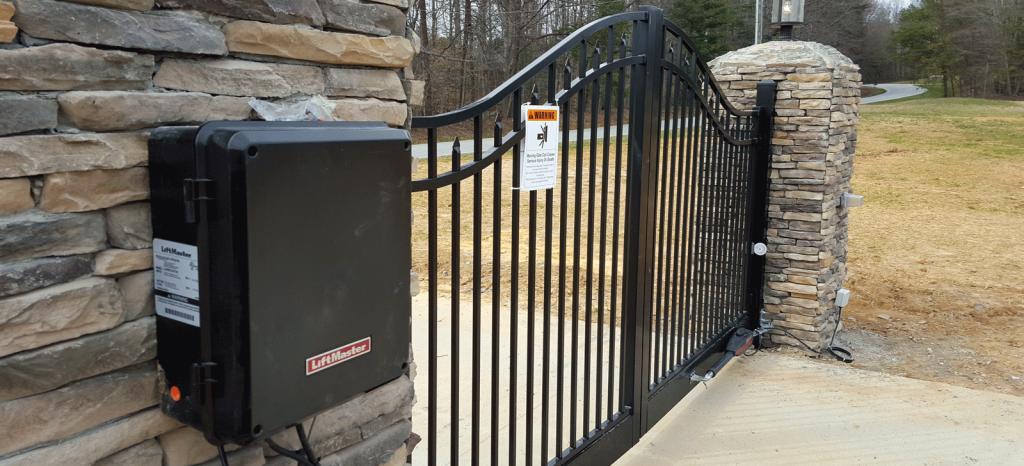
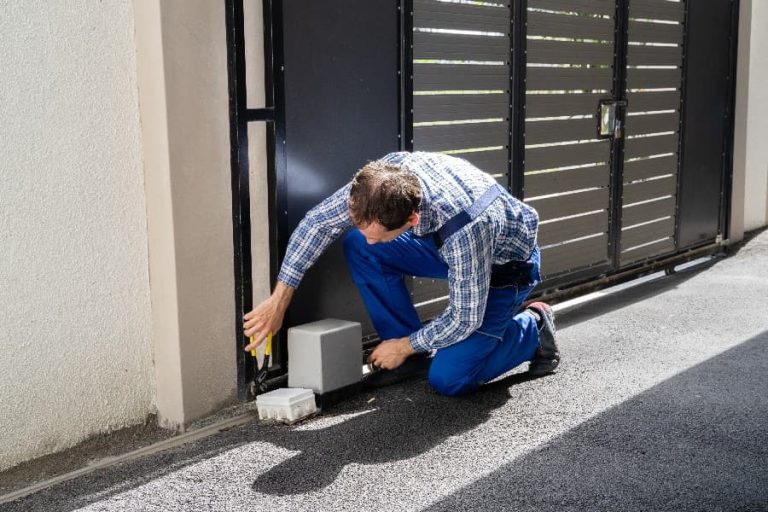
Doral, Medley, and Hialeah Docks Run Hard: We Know What That Does to Equipment
Miami-Dade's industrial corridor pushes dock equipment harder than most markets in the country. Doral, Medley, and Hialeah sit inside one of the busiest import and distribution zones in the Southeast. Facilities here run multiple shifts, and some docks move freight around the clock.
Here's what most facility managers don't realize about the climate factor. Miami-Dade's heat and humidity hit hydraulic dock leveler components in two specific ways. First, hydraulic fluid thins faster at sustained high temperatures, and South Florida summer heat inside a concrete warehouse bay can push ambient temps well past 95°F. Thinner fluid means pressure bleeds faster from the hydraulic cylinder, the pressurized component that raises and lowers the deck. Second, the lip assembly, the front edge that extends out and rests on the truck bed, corrodes at the hinge pins faster in this humidity than in dry-climate markets. Neither is a failure of equipment quality; both are mechanical facts of operating here, and a technician who has worked Miami-Dade dock calls for over 15 years accounts for both before touching a wrench.
How We Identify the Failure Point Before a Single Part Gets Ordered
The diagnosis happens on-site, before any part is pulled from the truck. We've been on hundreds of dock calls where a facility manager described the same symptom, "it just stopped working," and the actual cause was completely different each time.
When our technician arrives at a dock bay in Miami-Dade, the first thing done is watch the unit cycle. Not repair it, watch it. A hydraulic dock leveler that responds slowly to controls and then holds position tells a different story than one that raises and immediately drops. The first points to fluid loss or pump wear; the second is almost always a failed check valve or worn cylinder seals.
For mechanical dock levelers, spring-powered units activated by a pull chain or handle, common in older Hialeah and Medley warehouse buildings, we check spring tension and lip latch engagement first. Mechanical systems have fewer electrical components, but the lip latch mechanism wears predictably under heavy forklift traffic. A lip that kicks out early during the pull sequence tells us the latch is worn, not the spring.
Every Dock Call Starts With the Same Five Checks
All five happen before the truck is even opened.
Does it raise, hold, and float? Absent float means the deck is fighting truck movement.
Does the lip deploy fully and rest flush on the truck bed?
Dark or milky fluid means contamination, not just low volume.
Does the deck hold position under a loaded pallet jack for 60 seconds?
OSHA dock safety standards require these to function. Checked every time, not just on new installs.
Every Dock Leveler Call Comes With a Decision on the First Visit
You get a clear repair decision on arrival, not a report that something needs to happen later. Some dock leveler calls in Miami-Dade require parts; that's not avoidable. But "we need to order parts" doesn't have to mean "your bay is down for two days."
Access Experts 247 trucks carry hydraulic cylinders, lip assemblies, and deck hardware for the most common commercial dock leveler configurations in this market, including high-cycle industrial units common in Doral distribution facilities and lighter-duty receivers used at Hialeah retail receiving docks. If a hydraulic cylinder replacement or lip assembly swap is the repair, we carry it. The decision to fix it happens on the first visit. No return trip scheduled, no bay sitting cold while parts route through a supplier.
Hydraulic, Mechanical, and Air-Powered Systems Serviced to Manufacturer Specs
Every dock leveler type gets serviced to the spec it was built for, not a generic process.
Hydraulic fluid replaced to viscosity spec for South Florida temps, not a national standard.
Inspected and lubricated every visit, replaced past manufacturer tolerance.
Inspected for surface fatigue cracks, especially at the rear pivot point.
Legs and struts confirmed functional per OSHA dock safety standards before sign-off.
Air-powered leveler bladders pressure-tested to rated capacity, not estimated.
Mechanical spring set to pull-chain activation spec for the unit's load rating.
No shortcuts on safety function. No sign-off until float position cycles correctly and the lip deploys flush.
What Happens From Dispatch to a Fully Operational Dock Bay
From your call to a working dock bay, here's the exact sequence.
Diagnostics
You call us. Dispatch confirms your facility address and leveler type, hydraulic, mechanical, or air-powered, and a technician is routed from the nearest Miami-Dade service point. Target arrival: 45 minutes. We ask two questions before the truck rolls, what the deck is doing and what it stopped doing, which starts the diagnosis before we arrive.
Implementation
On arrival we run the five-point field check and confirm the diagnosis, then pull the correct parts from the truck, hydraulic cylinders, lip assemblies, deck hardware, or spring components, depending on the system. Repairs are completed on-site. If structural deck plate work or hydraulic line replacement is involved, we give you a direct timeline, not a range.
Post-Service Testing
After repair, the leveler cycles through a full operational test. Float position, lip extension, deck hold under load, and safety leg function are all verified, and OSHA dock safety compliance is confirmed before the bay goes back into service. You watch the test. We don't leave until the dock is running.
Miami-Dade Warehouse and Distribution Facilities We Cover
Our 45-minute dispatch window covers the NW Miami-Dade industrial corridor, the densest concentration of warehouse and distribution docks in South Florida. We also serve Broward and Palm Beach commercial facilities.
Ready to Get That Bay Moving Again? Here's How to Reach Us
Access Experts 247 handles loading dock leveler repair and installation across Miami-Dade County, 24 hours a day, seven days a week: hydraulic, mechanical, and air-powered systems, commercial facilities of any size. Call us now or use the contact form. Tell us your system type and facility location, and we'll come ready to fix it on the first visit.
Call us nowGet a Technician Dispatched
Tell us your dock leveler issue and facility address and we'll dispatch within 45 minutes, or call us. Let us know your system type, hydraulic, mechanical, or air, and we'll come ready.
Request Service
Frequently Asked Questions
What does it mean when my dock leveler won't extend flush?
A leveler that won't extend flush points to a failure in the lip assembly, cylinder, or spring mechanism. Each symptom, deck won't extend, lip drops short, platform won't hold, maps to a specific component. A technician who reads those symptoms can diagnose the failure and make a repair decision on the first visit.
Do you carry dock leveler parts on the truck, or is this a two-visit job?
Our trucks carry hydraulic cylinders, lip assemblies, and deck hardware for the most common commercial configurations in this market, including high-cycle industrial units and lighter-duty receivers. If a cylinder replacement or lip assembly swap is the repair, we carry it, and the fix happens on the first visit. Structural deck plate or hydraulic line work comes with a direct timeline.
How fast can a technician reach my facility, and are you available after hours?
Target arrival is 45 minutes across Miami-Dade County, and dispatch runs 24 hours a day, seven days a week. When you call, we confirm your facility address and leveler type and route a technician from the nearest service point, asking what the deck is doing and what it stopped doing so the diagnosis starts before we arrive.
Do you service hydraulic, mechanical, and air-powered levelers the same way?
Each type is serviced to the spec it was built for, not a generic process. Hydraulic fluid is replaced to a viscosity spec for South Florida operating temperatures, mechanical spring tension is set to the unit's pull-chain activation spec, and air-powered bladders are pressure-tested to rated capacity. Safety legs and struts are confirmed per OSHA dock safety standards before sign-off.