Commercial Roll Up Wellington FL in North Miami

Commercial roll-up door installation, repair, and service for North Miami businesses. We carry parts for the most common operators and curtain systems on the truck, so most calls close on the first visit.

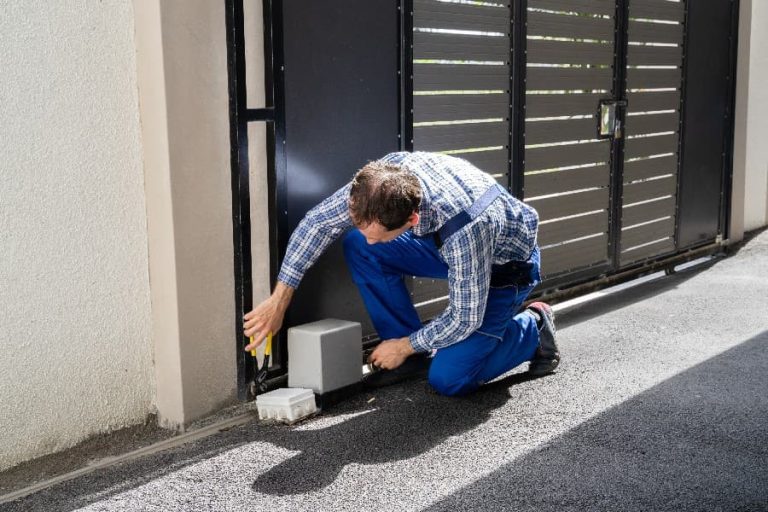
Commercial roll up door installation at a North Miami business property
45 minTo a Technician
17 yrsAcross Miami-Dade
4Door Types Serviced
6Diagnostic Checkpoints
Commercial roll up installation & service

Commercial Roll Up Wellington FL in North Miami: Installation, Diagnostics, and Repair

Access Experts 247 installs and services commercial roll-up doors throughout North Miami and Miami-Dade County. We cover retail storefronts, warehouses, loading docks, and self-storage facilities. A commercial roll-up door in North Miami faces real stress - salt air from Biscayne Bay corrodes springs and curtain slats faster than inland locations, and the humid summers accelerate wear on operators and bottom seals.

Learn more about sliding gate repair Miami

Learn more about gate not closing diagnostic South Florida in Hialeah

Learn more about roll-up door repair Miami in Miami Beach

If your roll-up door has stopped responding, is binding mid-travel, or lost power to the operator, we run a defined diagnostic sequence to isolate the cause before replacing anything. For urgent failures where a door is stuck open or stuck closed on a commercial property, our 24/7 emergency repair service handles after-hours calls on the same dispatch line. This page covers both planned installations and diagnostic repair work across North Miami and the surrounding Miami-Dade area.

Commercial roll up door on a North Miami warehouse storefront with steel curtain and operator mounted above
Gloved technician's hands examining a corroded torsion spring and barrel mounted on the interior header of a commercial roll-up door inside a concrete-block warehouse, with steel curtain slats visible below
Why North Miami conditions matter

Why North Miami's Environment Accelerates Commercial Roll-Up Door Wear

North Miami sits within two miles of the Intracoastal Waterway on its eastern edge. That proximity means salt-laden air reaches commercial properties along NE 125th Street, Biscayne Boulevard, and the industrial corridors near I-95 consistently. Steel curtain slats, torsion springs, and bottom bars corrode at a noticeably faster rate here than at inland South Florida locations - a galvanized spring that lasts eight years in Hialeah may need replacement in five years in North Miami Beach.

The commercial building stock in North Miami includes a significant number of concrete block warehouses and retail strip centers built during the 1970s and 1980s. Many of these have older door frames and header clearances that weren't designed for today's standard operator dimensions. That means new installations sometimes require header modifications before the operator and curtain can be mounted correctly.

Miami-Dade County also enforces stricter wind-load requirements than most Florida counties - a carryover from the damage assessments after Hurricane Andrew. Any commercial roll-up door installed here must meet those structural requirements. With 17 years serving Miami-Dade commercial properties, our technicians understand what the county's building department expects and can confirm compliance documentation with our work. Call 877-840-2505 to speak with a technician directly.

What a Technician Does During a Commercial Roll-Up Door Assessment

Every commercial roll-up installation starts with a site walk, not a catalog quote. The assessment determines curtain type, operator sizing, header clearance, and structural requirements. Here's what that process looks like on the ground in North Miami.

Step 01

Opening Size and Clearance Measurement

We measure the rough opening width, height, and available headroom above the opening. Commercial roll-up doors need a minimum of 12 to 18 inches of header clearance depending on the drum and curtain diameter. Older North Miami storefronts along Biscayne Boulevard frequently have limited headroom, which affects which curtain profile and operator mount type we can use.

Step 02

Structural Frame and Jamb Check

The door frame carries the entire load of the curtain and spring assembly. We inspect the jamb material, anchor points, and any prior repairs before specifying hardware. A concrete block wall in good condition anchors a roll-up door reliably. A previously patched jamb with compromised block may need a steel jamb liner before installation proceeds.

Step 03

Curtain Material Selection

Galvanized steel is the standard for most North Miami commercial applications because it balances cost, strength, and corrosion resistance. Stainless steel costs significantly more but is the right call for food-service facilities or properties within direct ocean spray range. Aluminum curtain systems are lighter and won't rust but dent more easily under impact - a real consideration for loading dock doors that see daily forklift traffic.

Step 04

Operator Sizing and Power Supply

A commercial roll-up operator is sized by door weight and cycle frequency, not just opening dimensions. A door cycled 30 to 50 times daily at a busy warehouse needs a heavier-duty motor than a storage unit door opened twice a day. We confirm the available power supply - single-phase or three-phase - before specifying an operator, because getting that wrong means the motor won't run correctly regardless of its rating.

This assessment takes about 30 to 45 minutes on-site. The information it produces drives the actual parts list and installation scope. For further detail on door repair options, see our Roll-Up Door Repair Miami-Dade page.

Parts on the truck

Commercial Roll-Up Door Components We Stock for North Miami Installs

Parts availability is what separates a same-day repair from a multi-day wait. We stock springs, curtain slats, bottom bars, operators, limit switches, and control boards for the most common commercial roll-up systems found in Miami-Dade County. Most repair calls on standard commercial doors close on the first visit because the parts are already on the truck.

Springs are the most frequently replaced component on older roll-up doors in North Miami. Torsion springs have a rated cycle life - typically 25,000 to 100,000 cycles depending on gauge - and salt-air exposure accelerates metal fatigue beyond the rated count. When one spring breaks, we replace both regardless of the second spring's apparent condition, because the second is nearly always at similar fatigue and will fail within weeks.

On wind resistance: Miami-Dade County's High Velocity Hurricane Zone designation applies to commercial roll-up doors the same way it applies to residential openings. Impact-rated curtain systems meet the structural requirements for permitted work in the county. We handle the permit documentation side, so your business isn't left holding an unpermitted installation that causes problems at lease renewal or during a building inspection.

Steel CurtainAluminum CurtainTorsion SpringsCommercial Operators
Open rear cargo doors of a white commercial service van revealing organized replacement parts including coiled torsion springs, bundled steel curtain slats, and a boxed door operator unit, parked in a South Florida industrial lot
The standard

Six Checkpoints We Run on Every Commercial Roll-Up Door Diagnostic Call

When a commercial roll-up door stops working or behaves erratically, these six checkpoints identify the failure point before any part is ordered or replaced. We don't skip steps based on what the problem looks like from the parking lot. You can also verify a Florida contractor license for any technician we dispatch before work begins.

Checkpoint 01

Spring Tension and Condition

Checked for correct tension, visible corrosion, and fatigue cracking at the coil ends. A spring that's lost tension from corrosion will let the door feel heavy on the way up and drop faster than it should on the way down - both are safety issues, not just operational ones.

Checkpoint 02

Curtain Slat and Bottom Bar Integrity

Inspected for bent slats, broken end locks, and bottom bar alignment. A single bent slat causes the curtain to bind in the guides during travel, which puts extra strain on the operator motor and shortens its service life considerably.

Checkpoint 03

Guide and Hood Condition

Checked for warping, loose fasteners, and debris accumulation. Guides that are out of plumb force the curtain to travel unevenly, which causes edge wear on the slats and accelerates corrosion along the curtain's side margins.

Checkpoint 04

Operator Motor and Limit Switch Function

Tested through a full open-and-close cycle with attention to motor current draw and limit switch cutoff positions. A motor that runs past the fully-open or fully-closed position is a limit switch issue, not a motor failure - and the two have very different repair costs.

Checkpoint 05

UL 325 Safety Device Verification

Confirmed against the door's actual close cycle. Commercial roll-up doors with automatic operators must meet UL 325 entrapment protection requirements. We verify that photo eyes, reversing edges, and safety loops are functioning correctly on every diagnostic visit.

Checkpoint 06

Weatherseal and Bottom Seal Condition

Inspected for cracking, compression loss, and gaps at the floor contact point. North Miami's humidity and summer rain volume push water under deteriorated bottom seals quickly. Replacing a seal costs a fraction of repairing water-damaged flooring or inventory inside a commercial unit.

This sequence removes the guesswork from commercial roll-up door diagnostics. The repair quote reflects what we actually found. For a full breakdown of what drives commercial door and access system costs in Miami-Dade, see our dedicated cost guide.

From Your First Call to a Verified Working Commercial Roll-Up Door

Every visit follows a defined sequence, from scheduling through a confirmed close-out with the door operating correctly.

Stage 01

Scheduling the Assessment or Repair

Call us or submit the contact form. Dispatch confirms a technician and a service window. Our technicians operate throughout North Miami and Miami-Dade County, including the commercial corridors along NE 125th Street, Biscayne Boulevard, and the warehouse districts near I-95. Same-day availability applies to most Miami-Dade locations for repair calls. For after-hours commercial door failures, call the same number - emergency dispatch operates on the same line around the clock.

Stage 02

On-Site Assessment or Diagnostic

For new installations, the technician runs the site assessment: opening measurement, frame inspection, curtain selection, and operator sizing. For existing doors, the six-checkpoint diagnostic runs first. Either way, you get a plain-language explanation of findings before any work starts - no bundled quotes without line-by-line explanation of what's being replaced and why.

Stage 03

Installation or Repair

Components come off the service truck wherever possible. Most commercial roll-up door repairs and straightforward new installations close on the same visit. If your door's operator has failed entirely, our Roll-Up Door Installation service covers the full replacement, from pulling the old unit through verified close-out of the new system.

Stage 04

System Verification and Close-Out

After installation or repair, the technician runs a full cycle test. Door opens fully. Door closes fully. Limit switches confirmed at correct cutoff positions. Safety reversing devices tested for response. Bottom seal contact with the floor verified across the full door width. The door is operating correctly before we leave the property.

Coverage

Commercial Roll-Up Door Service Across Retail, Warehouse, and Industrial Properties

One dispatch operation covers the full Miami-Dade footprint, from single-storefront roll-up doors to multi-bay warehouse and loading dock systems.

Access Experts 247 installs and services commercial roll-up doors for retail storefronts, warehouses, self-storage facilities, and loading docks throughout North Miami and Miami-Dade County. A single-curtain storefront door on Biscayne Boulevard has different cycle demands and wind-load requirements than a heavy-duty loading dock door in the industrial area near Opa-locka Executive Airport or a multi-bay facility near the Gratigny Expressway. Our technicians have worked all three application types across Miami-Dade and carry hardware suited to each.

North MiamiNorth Miami BeachOpa-lockaHialeah Miami GardensMiami LakesAventuraDoral BrickellCoral GablesKendallCutler Bay HomesteadPinecrestSunny IslesCountywide

Schedule Your Commercial Roll-Up Door Installation or Repair

Need a full new door rather than just an operator swap? See our Roll-Up Door Installation page. Call to reach dispatch directly. Lines are open 24 hours a day, seven days a week, including weekends and holidays. Same-day service is available for most Miami-Dade locations. For after-hours commercial door failures, call the same number - emergency dispatch operates on the same line.

Call us now
At a glance

Why Commercial Property Owners in North Miami Call Us First

45-Minute Response

To a technician at your North Miami property.

Six-Point Diagnostic

Before any roll-up door component is quoted.

Parts Stocked On-Site

Springs, slats, operators, and seals on the truck.

UL 325 Verified

Safety device compliance on every installation.

Same-Day Repairs

Across most Miami-Dade commercial locations.

24/7 Dispatch

Weekends and holidays included.

Get in touch

Request Commercial Roll-Up Door Installation or Repair Service

Describe what your door is doing, or tell us you need a new commercial roll-up installation. Call us to reach dispatch directly. Same-day service is available for most Miami-Dade locations, and lines are open 24 hours a day, every day of the year.

Request Service

FAQ

Frequently Asked Questions

How long does a commercial roll-up door installation take in North Miami?

A standard single-curtain commercial roll-up door installation - curtain, hood, guides, spring assembly, and operator - typically takes four to six hours on a single visit when the opening is prepared and components are on the truck. A multi-bay loading dock installation or a job requiring header modification will run longer, often a full day. The site assessment eliminates the surprises that push jobs into a second visit.

How often do commercial roll-up door springs need replacement in North Miami?

Standard commercial torsion springs are rated for 25,000 to 100,000 cycles depending on gauge and manufacturer. At a moderate-traffic North Miami business cycling a door 20 times daily, that's roughly three to thirteen years. Salt air from the Intracoastal accelerates metal fatigue and surface corrosion, so doors within a mile or two of the water tend to reach the low end of that range. Replacing both springs at the same time is standard practice - the second spring is nearly always at similar fatigue when the first breaks.

My commercial roll-up door is binding mid-travel - is it the guide or the curtain?

Both are possible, and the cause changes the fix. A single bent slat catches in the guide and causes a hard stop at the same point every cycle. A guide that's been knocked out of plumb - common near loading docks that see vehicle contact - causes gradual resistance that worsens over weeks. We identify which is causing the bind before ordering parts, because replacing a curtain when the guide is the actual problem doesn't solve anything.

Do commercial roll-up doors in North Miami need to meet hurricane wind requirements?

Yes. North Miami falls within Miami-Dade County's High Velocity Hurricane Zone. Commercial roll-up doors installed here must meet the county's wind-load requirements, which typically means using an impact-rated curtain system and properly anchoring the guide jambs to the structural frame. Permitted installations require documentation confirming the door's wind-load rating. We handle the permit and compliance paperwork as part of the installation so you're not left with an unpermitted door.

Can a commercial roll-up door operator be repaired, or does it usually need full replacement?

Many operator failures are component-level repairs: a failed capacitor, a burned control board, or a limit switch that's drifted out of adjustment. These are typically same-day fixes when parts are stocked. A motor that's seized from water intrusion or run past its duty cycle is usually more economical to replace than to rebuild, particularly on units over ten years old. We tell you which situation you're in after the diagnostic, with the cost difference laid out plainly.